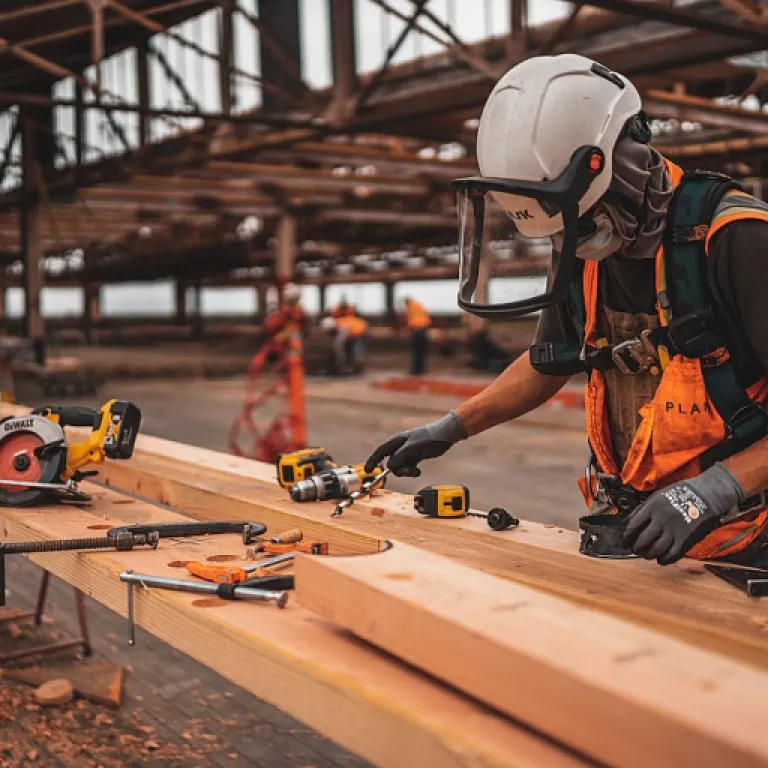
What is OSHA 10 and why does it matter?
Why OSHA 10 Training Matters for Workplace Safety
The OSHA 10-hour course is a foundational safety education program designed for entry level workers in construction and general industry. OSHA, which stands for the Occupational Safety and Health Administration, sets the standards for workplace safety and health in the United States. Completing OSHA 10 training provides employees with essential knowledge about workplace hazards, safe practices, and their rights and responsibilities under OSHA regulations.
Employers across many industries require OSHA 10 certification as part of their safety requirements. This training is not just a box to check—it’s a proactive step toward reducing workplace accidents and ensuring compliance with federal safety laws. Workers who complete the 10-hour OSHA course receive an official DOL card, sometimes called an OSHA card, which serves as proof of their safety education. This card is often required for entry onto job sites, especially in construction and general industry settings.
- OSHA 10-hour training covers topics like hazard recognition, accident prevention, and workers’ rights.
- The course is available in both construction and general industry versions to meet specific workplace requirements.
- Employers may require OSHA 10 certification as a condition of employment or as part of ongoing safety programs.
For those entering the workforce or looking to advance in safety-sensitive roles, OSHA 10 certification can open doors. It demonstrates a commitment to safety and a basic understanding of OSHA standards. If you’re interested in how other certifications can help you stand out, you might also want to learn how long it takes to get forklift certification—another key credential in many industries.
As you explore OSHA training, keep in mind that requirements may vary by state, employer, or industry. The next sections will address how long OSHA 10 certification remains valid, why renewal may be necessary, and how staying current with safety training can impact your job opportunities and bridge the skills gap.
How long is OSHA 10 good for?
Duration of OSHA 10 Validity
The OSHA 10 certification is a popular entry level safety training program designed for workers in construction and general industry. After completing the 10 hour course, participants receive an OSHA card, also known as a DOL card, which demonstrates their understanding of essential workplace safety practices. But how long does this card remain valid?
Technically, OSHA 10 hour cards do not have a federal expiration date. The Department of Labor (DOL) does not require workers to retake the OSHA 10 hour training after a set period. Once you complete the course and receive your card, it remains valid as proof of your OSHA training.
However, many employers, unions, and industry requirements may set their own standards. In some cases, companies require refresher courses or updated certifications every three to five years to ensure employees stay current with the latest safety health regulations and practices. This is especially common in construction and general industry workplaces where safety requirements evolve over time.
- OSHA 10 hour certification cards do not officially expire at the federal level
- Employers or local regulations may require periodic renewal or refresher training
- Staying up to date with OSHA training helps maintain workplace safety and compliance
For those looking to advance their careers, keeping your OSHA certifications current can open doors to more job opportunities and demonstrate your commitment to safety education. If you are interested in how other certifications can accelerate your career, especially in networking or related fields, you might find this resource on how certifications can accelerate your networking career helpful.
Remember, while the OSHA 10 hour card may not have an official expiration date, staying proactive with your safety training is always a smart move for both compliance and career growth.
Why does OSHA 10 expire or need renewal?
Why OSHA 10 Cards Aren’t Valid Forever
Many workers and employers wonder why the OSHA 10 certification doesn’t last a lifetime. The reality is that safety standards, workplace practices, and regulatory requirements are always evolving. The Occupational Safety and Health Administration (OSHA) regularly updates its guidelines to address new risks and improve safety for employees in both construction and general industry settings.
Here’s why your OSHA 10 hour card or training card may need renewal:
- Changing Regulations: OSHA updates its rules and requirements to reflect new hazards and best practices in workplace safety. What was considered safe five years ago might not meet today’s standards.
- Industry Demands: Many employers and industries require workers to have up-to-date OSHA certifications to ensure everyone is trained on the latest safety health procedures.
- Knowledge Fades: Even the best training can be forgotten over time. Refresher courses help reinforce critical safety concepts and keep employees alert to potential risks.
- Proof of Compliance: Some states and companies require a current OSHA card or DOL card for entry level positions or ongoing employment, especially in high-risk environments.
While OSHA itself does not set a federal expiration date for the 10 hour certification, many employers and local regulations do require periodic renewal. This ensures that workers are always equipped with the latest knowledge from their OSHA hour training and outreach training courses.
Keeping your OSHA 10 hour course up to date is not just about compliance. It’s about protecting yourself and your coworkers, and maintaining a culture of safety in the workplace. For more on how ongoing education and refresher courses help bridge the skills gap, check out this article on bridging the skills gap with up-to-date safety training.
How to renew your OSHA 10 certification
Steps to Update Your OSHA 10 Card
If your OSHA 10 certification card has expired or your employer requires a recent OSHA training record, renewing your OSHA 10 is a straightforward process. OSHA 10 hour courses are designed for entry level workers in construction and general industry, and keeping your certification current is important for maintaining workplace safety and compliance with industry requirements.
- Check employer or state requirements: Some employers or states may require refresher courses or updated OSHA training even if your card does not have a formal expiration date. Always confirm what is required for your workplace or industry.
- Choose an authorized provider: Only OSHA-authorized outreach training providers can issue valid OSHA 10 hour cards. Make sure the course you select is recognized by the Department of Labor (DOL).
- Complete the 10 hour course: Whether you work in construction or general industry, you will need to complete the full OSHA 10 hour training again. There is currently no official refresher course—renewal means retaking the full course.
- Receive your new card: After finishing the course, you will receive a new OSHA 10 hour card (sometimes called a DOL card) as proof of your updated certification. Cards expire only if your employer or local regulations require renewal, but best practices recommend updating every 3-5 years to stay current with safety health standards.
Why Renewal Matters for Workers and Employers
Renewing your OSHA certification keeps you informed about the latest safety practices and workplace requirements. For employees, it demonstrates a commitment to safety and can be a requirement for certain jobs. For employers, ensuring workers have up-to-date OSHA certifications helps maintain compliance and reduces risks on the job site.
Remember, OSHA 10 hour training is not just a box to check. It is an ongoing part of workplace safety education that benefits both workers and the industry as a whole. Keeping your OSHA card current is a smart move for anyone in construction, general industry, or any workplace where safety is a top priority.
The impact of expired OSHA 10 on job opportunities
Consequences of Letting Your OSHA 10 Card Expire
When your OSHA 10 certification or OSHA card expires, it can have a direct impact on your job prospects, especially in industries where safety training is not just valued but required. Many employers in construction, general industry, and other sectors look for up-to-date OSHA training as a baseline requirement for entry level positions. Without a valid OSHA 10 hour card, you may find yourself at a disadvantage compared to other candidates who have current certifications.
- Job Requirements: Many job postings in construction and general industry specifically require proof of recent OSHA 10 hour training. If your card is expired, you may not meet these requirements, making it harder to secure interviews or job offers.
- Workplace Access: Some worksites, especially those managed by larger contractors or government agencies, will not allow employees or subcontractors on site without a valid OSHA 10 hour card. This is a strict workplace safety practice to ensure all workers have up-to-date safety health education.
- Compliance and Liability: Employers are responsible for maintaining a safe work environment. Hiring workers with expired OSHA certifications can put companies at risk of non-compliance with Department of Labor (DOL) regulations, leading to potential fines or legal issues.
- Professional Growth: Keeping your OSHA training current demonstrates a commitment to safety and ongoing education. It can open doors to more advanced roles that require additional OSHA hour courses or outreach training, and shows you are proactive about meeting industry standards.
Expired OSHA cards can also signal to employers that you may not be up-to-date with the latest safety practices or requirements. In a competitive job market, this could mean missing out on opportunities that require current OSHA certifications or refresher courses. For employees and workers, maintaining valid OSHA 10 hour certification is not just about compliance—it’s about staying employable and safe in the workplace.
Bridging the skills gap with up-to-date safety training
Keeping Skills Current in a Changing Industry
The construction and general industry sectors are always evolving. New safety practices, regulations, and technologies mean that what workers learned in their original OSHA 10 hour training may not be enough after a few years. Employers and employees both benefit when safety education is up to date, especially as workplace requirements change.- OSHA certifications, such as the 10 hour card, are often required for entry level positions and ongoing employment in many workplaces.
- Expired cards can signal to employers that a worker’s knowledge of current safety health standards may be outdated.
- Refresher courses and renewal of OSHA training help bridge the gap between old practices and new requirements.
Why Ongoing OSHA Training Matters
When workers maintain valid OSHA 10 hour certifications, they demonstrate a commitment to workplace safety and compliance. This is not just about meeting DOL or company requirements. It’s about ensuring that employees are prepared to handle hazards and follow best practices that protect everyone on the job site.| Benefit | How It Bridges the Gap |
|---|---|
| Updated Knowledge | Employees learn the latest safety standards and regulations |
| Improved Job Prospects | Current OSHA cards are often required for hiring and advancement |
| Reduced Workplace Incidents | Proper training leads to safer practices and fewer accidents |
| Compliance | Helps employers meet legal and industry requirements |