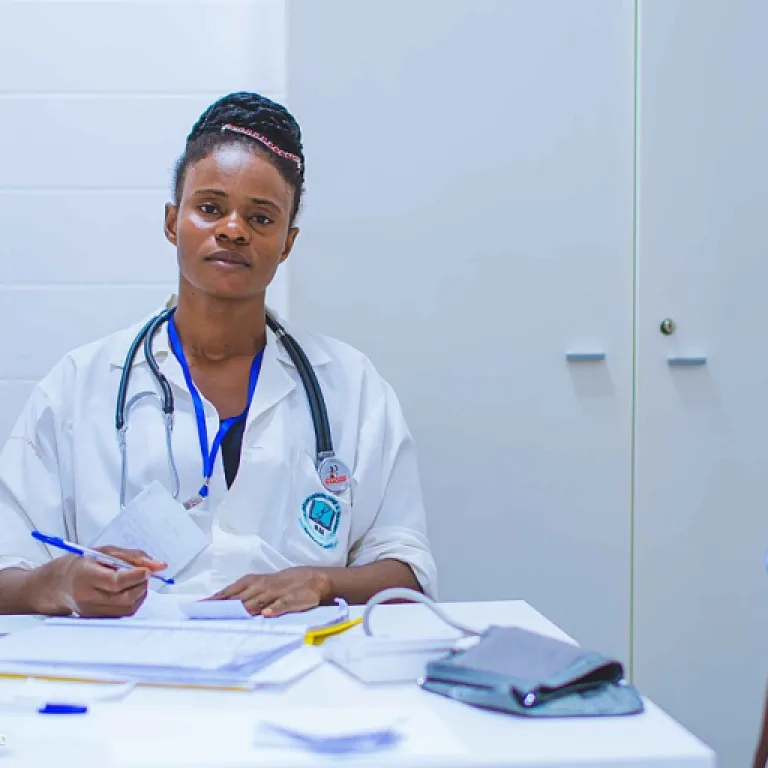
Understanding the skills gap in today’s workforce
Why the Skills Gap Matters for Teams and Organizations
The skills gap is a growing concern for businesses and individuals alike. As technology evolves and industries shift, many organizations find their teams lacking the critical abilities needed to stay competitive. This gap isn’t just about technical know-how. It also includes soft skills like leadership, communication, and adaptability. When teams don’t have the right mix of skills, productivity drops, innovation slows, and opportunities are missed.
What Causes the Skills Gap?
Several factors contribute to the widening skills gap. Rapid digital transformation often outpaces traditional training methods. Many organizations struggle to update their learning programs quickly enough to keep up. At the same time, employees may not have access to ongoing development or support from a coach or coaching group. Sometimes, the structure of a team or the format of coaching sessions can limit how well new skills are adopted.
- Changing job requirements due to automation and new technologies
- Limited access to effective coaching programs or group sessions
- Gaps in leadership development and team coaching
- Lack of accountability or follow-up after coaching sessions
Recognizing the Impact on Individuals and Teams
For employees, the skills gap can mean missed promotions, stalled careers, or even job loss. For organizations, it can lead to higher turnover, lower morale, and a struggle to fill key roles. Addressing these challenges requires more than one coaching session or a single training program. It calls for a long term, structured approach that supports both individual coaching clients and entire teams.
If you want to learn more about practical steps for bridging the skills gap, especially when it comes to identifying and supporting high-potential employees, check out this guide on recognizing high-potential employees.
What makes group coaching programs effective for skill development
Why group coaching stands out for skill development
Group coaching programs have become a popular way to fill the skills gap in today’s workforce. Unlike traditional one-on-one coaching, group coaching brings together a cohort of clients with similar goals or challenges. This structure creates a dynamic environment where participants can learn not only from the coach but also from each other.
Benefits of a cohort-based approach
- Peer learning: In a group session, clients share real-world experiences and solutions. This peer-to-peer exchange often leads to practical insights that are immediately applicable.
- Accountability: Being part of a coaching group encourages accountability. Regular group sessions help clients stay on track and motivated to achieve their goals.
- Cost-effective: Group coaching programs are generally more affordable than one coaching, making them accessible to more people and organizations.
- Leadership development: Group coaching is especially effective for leadership development, as it allows participants to practice communication, feedback, and team dynamics in a safe environment.
- Diverse perspectives: Clients benefit from hearing different viewpoints, which can challenge assumptions and spark creative solutions.
Structure and support in group coaching
Most group coaching models use a structured approach. Coaches guide the group through a series of coaching sessions, each with clear objectives and activities. This structure helps ensure that all clients have the opportunity to participate and build new skills over time. The coach acts as a facilitator, supporting the group’s progress and helping individuals set and track progress toward their goals.
Team coaching, a subset of group coaching, focuses on building collaboration and trust within a team. These programs often use real business challenges as the basis for learning, making the experience highly relevant and engaging.
Long-term impact and ongoing support
One of the key benefits group coaching offers is the potential for long-term change. Because clients work together over multiple sessions, they can support each other as they apply new skills in their roles. This ongoing support helps reinforce learning and increases the likelihood of lasting results.
For more on building effective teams and the role of group coaching, check out this resource on essential reads for effective team building.
Key skills that group coaching can address
Core Competencies Strengthened Through Group Coaching
Group coaching programs are uniquely positioned to address a wide range of skills that modern organizations and individuals need. Unlike one coaching models, group sessions foster a collaborative environment where clients can learn not only from the coach but also from each other. This structure group approach helps fill gaps that traditional training or one-on-one coaching might miss.
- Leadership development: Group coaching is especially effective for building leadership skills. Through cohort based programs, participants engage in real-world scenarios, practice decision-making, and receive feedback from both coaches and peers. This dynamic supports long term growth and accountability.
- Communication and collaboration: In a group setting, clients must communicate clearly, listen actively, and work as a team. These sessions help clients group together to solve problems, share perspectives, and build trust—skills essential for any team coaching initiative.
- Accountability and goal setting: The group format encourages accountability. Regular coaching sessions and check-ins help clients track progress and stay committed to their goals, with the added support of their peers and the coach.
- Problem-solving and adaptability: Group coaching programs often use real-life challenges as learning opportunities. This helps clients build resilience, adapt to change, and develop creative solutions—skills that are increasingly important in today’s workforce.
- Time management and productivity: Many coaching programs include modules on prioritizing tasks, managing time, and increasing productivity. The group setting allows for sharing best practices and learning from others’ experiences.
For those interested in technical or process-oriented skills, some group coaching programs integrate frameworks like Six Sigma. These structured approaches can be especially useful for teams looking to improve efficiency and quality. For a detailed overview of what such a program might cover, see this Six Sigma course outline and key content.
Ultimately, the benefits group coaching offers go beyond skill acquisition. The shared journey, diverse perspectives, and ongoing support help clients build confidence and sustain their development over time. Whether you are seeking leadership development, better communication, or improved team performance, a well-structured group coaching program can be a powerful tool to bridge the skills gap.
How to choose the right group coaching program for your needs
Factors to Consider When Selecting a Group Coaching Program
Choosing the right group coaching program is a critical step in closing the skills gap for individuals and teams. Not all coaching programs are created equal, and the effectiveness of a program depends on several factors that align with your goals and context.- Program Structure and Format: Look at how the coaching group is organized. Is it cohort based, with a set group of clients moving through the program together? Are the group sessions scheduled at times that work for your team? The structure group approach should support accountability and regular interaction.
- Expertise and Approach of Coaches: The background and coaching models used by the coach or coaches matter. Consider whether the program offers leadership development, team coaching, or coaching one to one within the group. Experienced coaches can adapt sessions to fill specific skill gaps and support long term growth.
- Customization and Relevance: Effective coaching programs are tailored to the needs of the clients group. Does the program address the key skills your team or organization needs? Are there opportunities for both individual and group coaching sessions to address unique challenges?
- Accountability and Support: A strong coaching program will build in mechanisms for accountability, such as regular check-ins, progress tracking, and peer support within the group. This helps clients stay on track and measure their development over time.
- Pros and Cons: Evaluate the benefits group coaching offers versus one coaching. Group sessions can foster collaboration and shared learning, while one coaching may provide deeper individual focus. Consider what will work best for your context.
Questions to Ask Before Committing
- What are the specific outcomes or skills the program aims to develop?
- How are coaching sessions structured and how often do they occur?
- What is the experience level of the coaches leading the program?
- How does the program track progress and measure success for each client and the group as a whole?
- Is there ongoing support after the formal group coaching ends?
Overcoming common challenges in group coaching
Common roadblocks and how to address them
Group coaching programs offer a dynamic way to fill skills gaps, but they are not without challenges. Both coaches and clients may encounter obstacles that can impact the effectiveness of coaching sessions and the overall program. Recognizing these issues early and applying practical solutions can help ensure that the benefits of group coaching are fully realized.
- Balancing individual and group needs: In a group setting, clients often have different learning styles and goals. Coaches need to create a structure that supports both individual growth and team development. This can be achieved by incorporating one coaching elements within group sessions and encouraging peer-to-peer support.
- Maintaining engagement and accountability: Keeping every client engaged throughout the program can be tough, especially in longer cohort based models. Setting clear expectations, rotating leadership roles within the group, and using accountability partners can help maintain motivation and commitment.
- Time management: Scheduling group sessions that fit everyone’s calendar is a classic challenge. Using digital tools to coordinate availability and offering flexible session times can help maximize participation and minimize dropouts.
- Building trust within the group: For coaching clients to open up and share real challenges, a safe and supportive environment is essential. Coaches should establish ground rules early, encourage confidentiality, and foster a culture of respect and support.
- Measuring progress: Tracking progress in a group coaching program can be complex. Coaches can use regular feedback rounds, self-assessment tools, and group check-ins to ensure that both individual and team goals are being met. This also helps in demonstrating the long term benefits group coaching can deliver.
Every coaching program will have its own unique set of pros cons, but by proactively addressing these common challenges, both coaches and clients can build a more effective and rewarding experience. The structure group coaching provides, combined with strong leadership development and accountability, supports sustainable skill growth for individuals and teams alike.
Measuring progress and success in group coaching programs
Ways to Monitor Growth and Results in Group Coaching
Tracking progress in a group coaching program is essential for both coaches and clients. It helps ensure that the coaching sessions are effective and that the team or cohort is moving toward their goals. Here are practical methods to measure outcomes and maintain accountability:- Set clear objectives at the start: Every coaching group should begin with defined goals. These can be related to leadership development, technical skills, or team collaboration. Having measurable targets gives structure to the program and helps clients stay focused.
- Regular feedback rounds: Build in time for feedback during and after group sessions. This can be done through surveys, open discussions, or one-on-one check-ins. Feedback from clients and coaches helps identify what’s working and what needs adjustment.
- Use of progress tracking tools: Many coaching programs use digital tools or dashboards to track individual and group progress. These tools can show attendance, participation, and skill development over time, making it easier to spot trends or gaps.
- Accountability partners: Pairing clients within the group or team coaching setting encourages ongoing support and accountability. Partners can check in between sessions, share insights, and help each other stay on track.
- Structured reflection sessions: Schedule regular sessions for the cohort to reflect on their journey. This can be a powerful way to highlight wins, address challenges, and reinforce the long-term benefits group coaching brings.
- Coach observations: Coaches play a key role in monitoring engagement and growth. Their observations during coaching sessions provide valuable qualitative data that complements quantitative measures.
Evaluating the Impact of Coaching Models
Different coaching models offer unique pros and cons. For example, cohort-based programs foster peer learning, while one coaching provides personalized support. Evaluating which model fits your team or client group best can be done by reviewing:- Client satisfaction and engagement levels
- Skill improvements observed over time
- How well the structure group supports accountability
- Long-term retention of new skills
Ensuring Long-Term Success
The real value of group coaching comes from sustained growth. To build on initial gains, consider:- Ongoing support after the formal program ends
- Follow-up coaching sessions or check-ins
- Encouraging clients group to continue peer learning
